


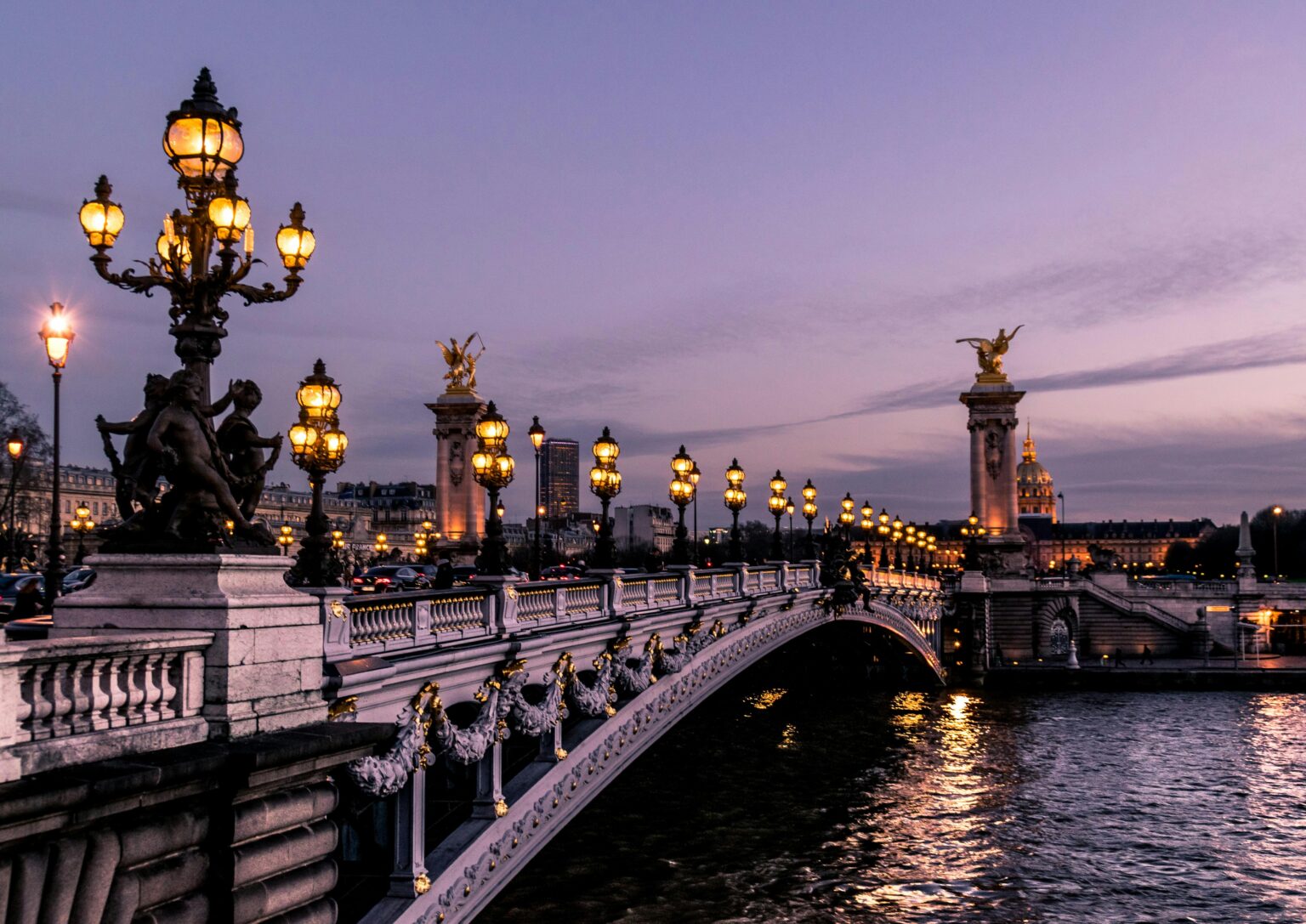

Visit Shakespeare and Company bookstore for some great literary finds! For something extra historical, visit Saint-Sulpice church and square where military drum beats led directly to guillotine during French Revolution.
Stay out of the crowds by visiting at night or during weekdays; and plan an excursion to Versailles and Giverny as well.
Sewer Tour
The Paris Sewer Museum, also known as Musee des egouts de Paris, offers visitors an exceptional and unusual experience in Paris. Not only is it fun but also educational; guests will get to tour sewers as they learn their history and use. They will even see some equipment used by sewer workers during this tour that lasts approximately 30 minutes or less and is certainly well worth experiencing!
As soon as you enter, the museum strikes you with its dark, dank atmosphere and strong scent of sewerage – both evidence that Paris still relies heavily on sewer systems for waste collection and management. Here, you will learn all about its history as well as how it has developed over time.
Museum visitors can enjoy many different displays in this museum, such as life-sized mannequins that depict sewer workers. These mannequins help create an authentic experience at the museum, serving as reminders of what it must have been like working underground.
Check out the model of the sewers as another interesting exhibit. This scaled-down version shows how water travels through the city’s system as it flows to where it needs to go; additionally, this display also illustrates how waste products are processed and removed from it.
Once you’ve explored the museum, it’s time to head into the sewers themselves. Walking down narrow passageways you will hear and smell the sewage as you pass mannequins that remind you this activity should not be part of everyday life.
The Paris Sewer Museum can be found along the south bank of the Seine near Place Habib Bourguiba and Pont de l’Alma, making it easily accessible via Metro/RER trains or buses stopping at Alma-Marceau station. Opening times daily from 9 am to 7 pm with tickets costing EUR9/EUR7 for adults/seniors/EU residents with children aged 18 years or under being free; audio guides available in French, English and Spanish for purchase.
The Eiffel Tower
The Eiffel Tower is an iconic symbol of Paris, an unforgettable landmark and stunning structure designed by Gustave Eiffel that continues to awe visitors from across the world. Winning a competition to design its centerpiece for an international world’s fair held in 1889, its popularity remains popular even today as an attraction.
While Eiffel’s name may be associated with its construction, several engineers were instrumental in its building. Two such engineers, structural engineer Emile Nouguier and metallurgist Maurice Koechlin from Eiffel’s company worked in collaboration to come up with its initial concept before it was refined by Eiffel and his assistants.
As a UNESCO World Heritage Site, the Eiffel Tower offers breathtaking panoramic views of Paris from its three levels. No matter if it be day or nighttime visits, its sparkling lights make for an unforgettable experience that is sure to capture imaginations and fill them with amazement.
At over 300 meters high, this observation deck is the highest public access platform available in Europe. Visitors can take in spectacular views over Paris and Champ de Mars from any one of its four pillars – but for best viewing pleasure the transparent floor at level one offers unparalleled panoramas.
In the 19th century, the Tower became a hub of scientific experiments. First wireless transmissions ever were sent from there over 400 kilometers away! Furthermore, during World War One it intercepted enemy radio communications and relayed alerts regarding Zeppelin attacks; finally during WWII Hitler ordered it be demolished but this order never materialised!
Since its completion, the Eiffel Tower has become an icon of France and one of the most-visited monuments worldwide. Every year, events and festivals take place there including New Year’s Eve or Bastille Day celebrations; it also regularly undergoes renovation and painting to commemorate events (such as blue to commemorate France’s Presidency of the European Union or multicolored ones for its centenary) or special fixtures ( such as blue as part of France’s Presidency or multicolored for its centenary) as well as being used as part of fireworks shows as part of modern architecture iconography.
The Louvre
The Louvre Museum is the world’s premier museum and home to over 35,000 permanent works of art spread among its eight departments. While you won’t be able to see everything in a day, planning ahead to visit galleries or exhibits that interest you will make your experience much richer.
The Louvre Museum can be found on the right bank of Paris’s Seine river in its 1st arrondissement and houses some of the greatest masterpieces of Western art, such as Mona Lisa. There are other remarkable pieces too – like a stele engraved with Hammurabi’s Code, armless Venus de Milo statues, and the Nike of Samothrace winged victory statue among others!
Paris’ iconic Louvre Museum is an art lover must-see, but can often become overwhelming for first-timers. To avoid crowds, arrive early, secure a timed ticket or visit during evening hours. Additionally, themed guided tours can be booked ahead for those finding it challenging to navigate its collections independently.
One of the more fascinating facts about the Louvre is its original purpose as a palace; later transformed by revolutionary government into the Museum Central des Arts, and continuing to add wings and acquire major works.
In 1983, to accommodate its increasing visitor numbers, the museum decided on hiring Chinese-American architect I.M. Pei to design a 21-meter glass pyramid entranceway. That same year it also rebuilt and opened to visitors the Richelieu wing formerly occupied by France’s Ministry of Finance.
Over time, various rooms at the Louvre were used by Nazis to catalog and ship art stolen from wealthy French families – including works attributed to Jews – including works stolen by Jacques Jaujard from the Louvre before its occupation by Germany. Jaujard removed over 4000 works before hiding them away in a Loire Valley chateau before its occupation by Germany.
The Louvre is open daily from 9am to 6pm (closed Tuesdays and certain holidays), with standard admission costing 15 euros; however under 18s, people with disabilities, teachers holding the Pass Education or those aged 18-21 qualify for free entrance.
The Galeries Lafayette
Paris offers no shortage of shopping destinations, but Galeries Lafayette stands out as an exceptional one. Situated in Paris’ ninth arrondissement, this massive department store stretches over three multi-floor buildings containing more than 3,000 brands for both women and men – linked by an enclosed bridge – while home & gourmet is just across the street. Here you can learn to bake macarons or take in an extravagant fashion show without disappointing!
Couture lovers will adore shopping the latest collections while art and history enthusiasts will marvel at its exquisite Art Nouveau architecture. Designed by architect Georges Chedanne and his apprentice Ferdinand Chanut, the building showcases major examples of Paris Art Nouveau including its impressive glass dome and staircase designed by Louis Majorelle while master glassmaker Jacques Gruber created Neo-byzantine windows to complete its look.
Though initially they only planned on one department, over time more than ninety-six departments were added to meet various customer needs, including smoking rooms, tea rooms, rooftop terraces with stunning city views, rooftop landing of Jules Vedrines in 1919 etc. To keep things interesting for their loyal clientele they started hosting special events like this rooftop landing by Jules Vedrines himself!
Today, Galeries Lafayette has become an iconic symbol of Paris, welcoming over 25 million visitors annually. Boasting stunning views of both Eiffel Tower and Montmartre district as well as in-store activities like macaron baking classes and fashion shows, it remains a busy and popular spot.
If you’re curious to explore more of the building’s history, guided tours are available. These tours cover both public areas of the store as well as behind-the-scenes areas not normally open to the general public. Not only can you gain more insight into its story; you’ll also have an opportunity to admire some of its beautiful Art Nouveau decorations and artwork!
Trip-ready gear from Amazon
As an Amazon Associate, grandgo.com earns from qualifying purchases. Links below are affiliate links — clicking them may earn us a small commission at no extra cost to you. Prices and availability are shown on Amazon.co.uk.
- Compact rain jacket packable — Paris weather is fickle.
- Universal EU travel adapter — France Type C/E.
- Lonely Planet France guidebook — Best overall France guide.