


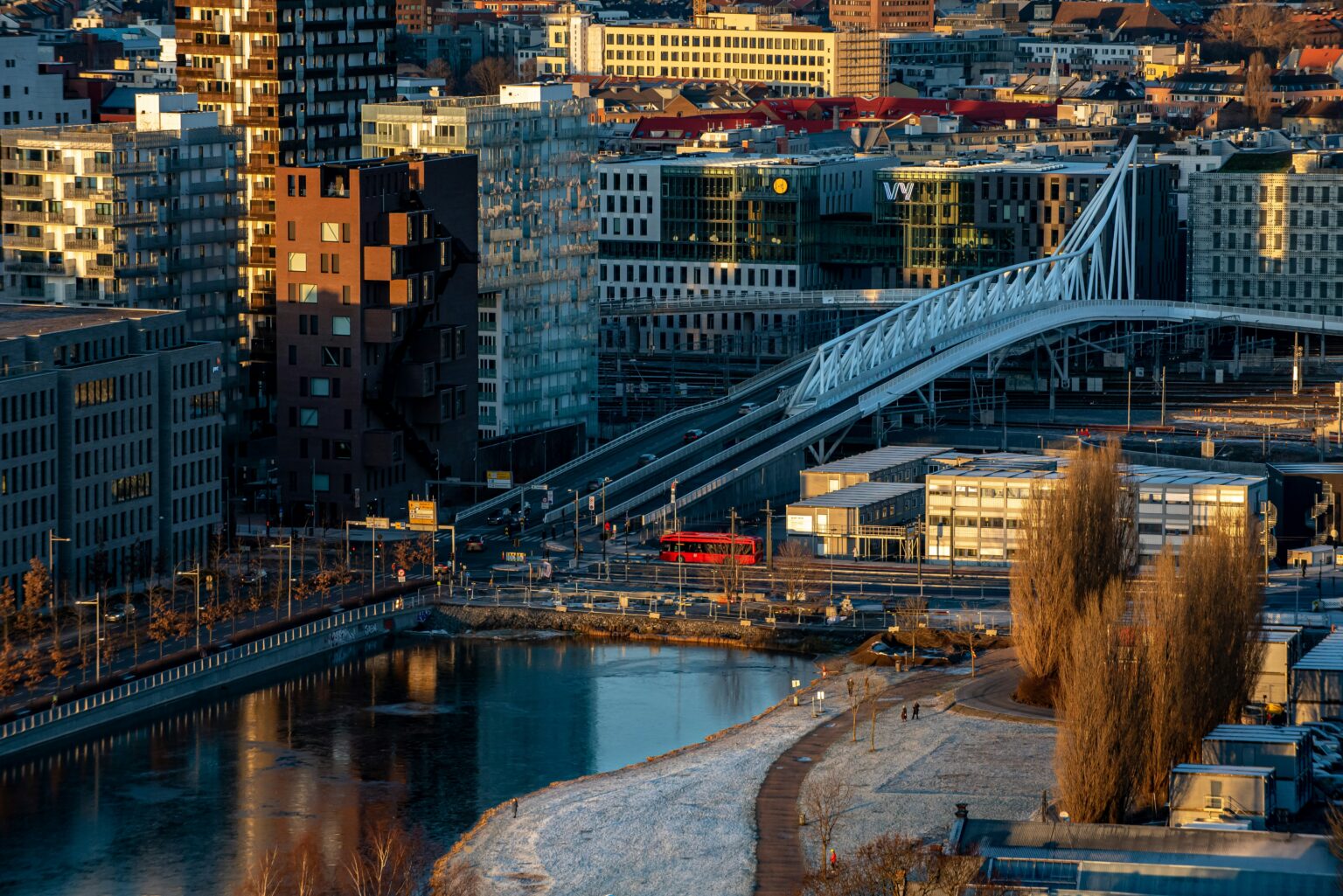

Norway’s capital city combines stunning fjord and forest landscapes with luxurious architecture, museums, and landmarks that hark back to the past – it is considered one of the world’s most expensive cities.
Flying into Oslo is usually the least costly option, although you’ll have to take a bus ride into town before reaching your accommodation. Car rentals may also be an alternative.
History
Oslo, the Norwegian capital city, has played a pivotal role in Norway’s history and development over its 200 year existence. Furthermore, Oslo serves as a center of commerce, banking and industry in Norway as well as being home to some of its most notable shipping companies, shipbrokers and maritime insurance brokers.
Oslo was believed to have been founded around 1049 by King Harald Hardrade; however, recent archaeological studies have discovered Christian burials from before 1000 which suggest the area has had a much longer history as a city. When Norway joined Denmark for personal union in 1380, Oslo fell from prominence and its role diminished to provincial administrative centre status with all kings living in Copenhagen instead of Oslo.
Although Oslo may not have been Norway’s political and economic capital before World War II, it remained its center until then and remains an influential financial center today, having recently been recognized as one of the top business locations in Europe.
Oslo has an abundant history to explore and numerous museums to visit; among these is Akershus Fortress and Munch Museum where Edvard Munch created his most acclaimed work, “The Scream”. Oslo has also been home to great Norwegian artists like Knut Hamsun and Henrik Ibsen who all made Oslo their home.
Oslo boasts a rich and distinguished history of adventure, exploration and discovery that is evident in a number of fascinating museums such as Bygdoy (home to the Fram Museum containing Fridtjof Nansen’s expedition ship used during his Polar expedition), Vikingskiphuset and Kon-Tiki Museum which recall Thor Heyerdahl’s Pacific voyage. Additionally, its proximity to nature makes Oslo an attractive hiking and skiing destination – in fact its region boasts more skiers per capita than anywhere else in Europe!
Culture
Norwegian capital Oslo boasts the country’s highest concentration of arts and cultural institutions. This vibrant city draws from both its longstanding heritage as well as modern perspectives – museums commemorate Norway’s rich past while galleries and theatres present contemporary artists’ work.
Oslo’s urban architects reflect these values, while its cultural scene continues to develop rapidly. Scandinavian Design Houses, in particular, have played a large part in developing its unique aesthetic; many of their designers reside here. Thief, an art hotel that opened its doors in 2013 (its name refers to its historical role as hideout and execution site for smugglers and other criminals), was followed by Amerikalinjen; both spaces offer multipurpose space within historic shipping line headquarters from which emigrants booked passage to America.
As it is evident that Oslo supports inclusivity and creative expression within society, initiatives like Oslo School of Art and Culture (Kulturskolen) provide subsidised classes ranging from acting and cooking to sewing and music. Furthermore, large-scale cultural institutions have recently opened in Oslo; one example being Deichman Library at Aker Brygge Harbour District which reinvents library concepts by offering visitors opportunities to make podcasts or learn to sew; also last year, Munch Museum was unveiled on the Fjordfront.
Although some Norwegians seem obsessed with their extraordinary past–from traditional clothing and fish fermented Viking-style to living as actual Vikings for months–Norwegian culture is actually quite complex and embraces change while simultaneously honoring its past. Oslo in particular boasts numerous innovative small restaurants specializing in New Nordic cuisine led by chefs such as Hanne Rutgerson from Hot Shop; an offbeat restaurant located within an abandoned sex shop serving seasonal fare to wealthy, cultural clientele without menu restrictions or prices.
Nightlife
Oslo offers an energetic nightlife scene to meet almost any taste, from classical to EDM music and more. Oslo bars and clubs feature entertainment of various kinds ranging from classical music to EDM dance music; for those in search of dance floors check out Villa or Stratos which boast world-famous DJs with two separate dance floors.
Dubliner Irish Pub in Oslo offers another great option to experience Oslo’s lively music and beer culture, featuring live folk music performances every week as well as big-screen sports coverage. If you prefer more intimate settings, Mono is perfect for arty student types tapping their toes along to new indie acts while NOX/Sollihagen and Lawo will surely get your fist pumping with their exciting EDM music offerings.
If you’re seeking something a bit less frenetic, Grunerlokka and Majorstuen offer an eclectic array of low-key bars and hipster music venues. Or head out for something more upscale at Youngstorget.
Smith-Simonsen advises guiding your nightlife choices based on musical preferences. For instance, The Villa is an underground club featuring DJs spinning electronic music; The Dubliner offers traditional pub fare with its selection of beers; Bla Irish Bar is another good spot if you love live music; they host both Norwegian and international bands during early evening performances before becoming a vibrant nightclub with DJs later.
Make use of event calendars online as another great way to find venues. Many clubs, events, and places of interest post their schedules here so you can plan the perfect night out. Furthermore, your hotel may provide recommendations or join group tours – two excellent methods of finding just the right spot!
Shopping
No matter what your shopping tastes may be, Oslo has something for every shopper. The city features shopping malls, departmental stores and markets – many located nearby top sightseeing spots – in addition to boutiques and antique shops located on busy shopping streets or hidden alleyways.
Starting off your shopping spree should begin in central Oslo. Karl Johans gate, which serves as the main street of this district, offers stores of every kind imaginable: department stores, boutiques, vintage shops – even international fashion houses such as Gucci, Isabel Marant and Marc Jacobs are represented here! Additionally, top Norwegian designers also make an appearance here.
Stortorvet or Grand Plaza offers another popular shopping option in Oslo, featuring clothing and lifestyle products by Norwegian designers as well as unique presents for loved ones.
GlasMagasinet, located in Oslo’s heart and offering Scandinavian brands, provides quality goods to shoppers nearby the main train station. It makes a good option for quality shopping experiences.
Are you searching for alternatives to large malls, with their crowds and high prices, such as Arkaden? Oslo offers several smaller shopping areas that may provide better solutions – the largest being Arkaden with about 90 stores offering electronics, party supplies, drugs stores as well as some great grocery deals! All it takes to know what’s for sale are looking at posters outside each store or downloading a shopping app –
Dining
Norway may be one of Europe’s smallest nations, yet its capital of Oslo boasts an excitingly eclectic food scene that is quickly making an impressionful statement. While drawing inspiration from traditional Nordic cooking methods and recipes, chefs are also exploring world flavors and ingredients as part of New Nordic-influenced menus and sustainability is becoming a priority in many restaurants led by pioneers such as Rest – creating an environment in Oslo’s restaurant scene that feels fresher than Williamsburg or Portland would 10 or 15 years ago.
Oslo restaurants range from high-end, fine-dining spots to casual spots with laid-back dining environments. Bass Oslo in Toyen district stands out as a favorite spot, serving small plates of roasted beets with seaweed and Grondalen Gard nyr (an organic farm located about 40 minutes outside the city) alongside Solhoi Norwegian hard apple cider made with locally-grown apples or natural wine by the glass at their bar.
Icelandic chef Atli Mar Yngvason previously oversaw Pjoltergeist before its closure and has since opened Katla with an open fire as its centerpiece and Norwegian ingredients combined with Japanese and Mexican techniques to produce delectable meals like chicken karaage, steam buns, lamb skewers and round of yuzu margaritas – perfect for meat lovers! For something different try St Lars’ horse tartare or cote de boeuf with its excessive bearnaise sauce or Smalhans’ deliciously crisp Suckling Pig or Trattoria Popolare for something Italian