


Quick Answer
Tuscany is the cradle of buona tavola (good table) — Italian food + wine tradition. Why Tuscany? Renaissance-era patrons + Catholic monasteries + olive groves + vineyards = world’s most influential food culture. Top Tuscan dishes: Bistecca alla fiorentina (T-bone steak, rare, min 1 kg, €40-80 for two), Ribollita (bread + bean + vegetable soup), Pappardelle al cinghiale (wide pasta with wild boar ragù), Pici cacio e pepe (thick hand-rolled pasta with cheese + pepper), Crostini neri (chicken liver pâté), Panzanella (bread + tomato salad), Lampredotto (Florentine tripe sandwich €5). Wines: Chianti Classico, Brunello di Montalcino, Vino Nobile, Super Tuscans. Cheese: Pecorino Toscano DOP. Olive oil: world-class Tuscan EVOO. Best time: September-October (harvest, sagre festivals). Days needed: 5-7 for food tour. Buona tavola = Italian art of eating + drinking + lingering.
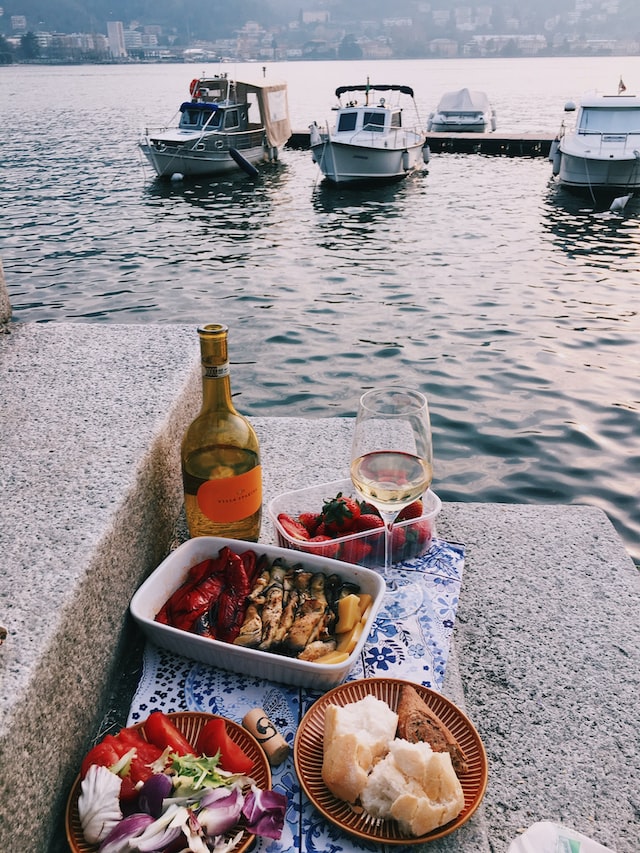
Tuscan dishes deep dive
- Bistecca alla fiorentina: T-bone steak from Chianina cattle. Cooked rare on chestnut wood. Min 1 kg per portion. Best at Trattoria Sostanza, Buca Lapi, Mario Florence.
- Ribollita (“reboiled”): Tuscan bread soup. Cannellini beans, kale, cabbage, day-old bread. Comfort food.
- Pappardelle al cinghiale: wide flat noodles with wild boar (cinghiale) ragù. Hunting season fall.
- Pici cacio e pepe: Tuscan thick hand-rolled spaghetti. With pecorino cheese + black pepper.
- Pici all’aglione: with garlic + tomato. Easy.
- Crostini neri: chicken liver pâté on toasted bread. Tuscan starter.
- Panzanella: bread salad with tomato + cucumber + red onion + basil + olive oil. Summer staple.
- Lampredotto: tripe sandwich. Florentine street food (€5). Try at Mercato Centrale.
- Cinghiale stew: wild boar slow-cooked with red wine.
Tuscan wine
- Chianti Classico DOCG: Sangiovese-based. Black rooster (gallo nero) seal certifies authentic. Most famous Tuscan wine.
- Brunello di Montalcino DOCG: 100% Sangiovese (Brunello clone). Aged 5+ years. World-class red. €40-200+ per bottle.
- Vino Nobile di Montepulciano DOCG: 70% Sangiovese (Prugnolo Gentile). Less famous than Brunello but excellent.
- Super Tuscans: Cabernet/Merlot blends from Bolgheri (coastal Tuscany). Sassicaia, Ornellaia, Tignanello, Solaia. World-renowned.
- Vernaccia di San Gimignano DOCG: only Tuscan white DOCG. Crisp, mineral.
- Vin Santo: dessert wine. Drink with cantucci almond cookies.
- Wine festivals: Cantine Aperte (open cellars) last Sunday May.
Tuscan ingredients
- Tuscan EVOO: world-class olive oil. Lucca area especially. Strong, peppery, green.
- Pecorino Toscano DOP: sheep’s milk cheese. Aged versions sharp + crumbly.
- Saffron of San Gimignano: grown since 13th century. Most expensive spice.
- Salt of Volterra: Etruscan tradition. Iodine-rich.
- Cantucci: almond biscotti. Dipped in Vin Santo.
- Lardo di Colonnata: cured pork lard from Colonnata marble caves. Aged in marble basins.
- Beans (fagioli): Tuscans nicknamed “mangia-fagioli” (bean eaters). White Cannellini and Borlotti.
- Tuscan bread: unsalted (Tuscany historically refused to pay salt tax). Stale bread used in ribollita + panzanella.
Where to eat
- Florence iconic: Trattoria Sostanza (since 1869, butter chicken legendary), Buca Lapi (Bistecca), Mario (Bistecca), All’Antico Vinaio (sandwiches €7).
- Florence Mercato Centrale: 1st floor traditional vendors, 2nd floor modern food court.
- Lampredotto vendors: Pollini, Lupen e Margo (best Florence tripe sandwiches).
- Siena: Trattoria La Taverna del Capitano (medieval), Hosteria Il Carroccio (locals).
- Chianti: Antica Trattoria La Torre (Castellina in Chianti), Solo Ciccia (Greve in Chianti, Dario Cecchini’s butcher restaurant).
- San Gimignano: Cum Quibus (Michelin-starred local), Locanda di Sant’Agostino.
Sagre (food festivals)
- Tuscan tradition: small village food festivals celebrating local specialty.
- Sagra del Cinghiale: wild boar festivals. October-November various villages.
- Sagra del Tartufo: truffle festivals. October-November Crete Senesi area.
- Sagra dell’Olio: olive oil festivals. November-December.
- Sagra del Lampredotto: tripe festival in Florence outskirts.
- Sagra del Vino: wine festivals. Multiple times year.
- Find festivals: tourist offices have lists. Plan trip around interesting sagre.
Practical info
- Best time food tour: September-October (harvest, sagre, fresh truffles).
- Cooking class: Florence + Chianti farms. €100-200 for hands-on day with meal. La Cucina del Ghiotto, Tuscookany.
- Wine tour: Chianti Classico full day €100-150 with 3-4 wineries + lunch.
- Olive oil tour: Lucca area. Family farms.
- Best buy back home: EVOO (vacuum-sealed), Pecorino Toscano DOP, salt of Volterra, cantucci, Vin Santo.
- Buona tavola etiquette: linger over meals. 2-3 hours normal for dinner. Bread doesn’t get dipped in olive oil — that’s Italian-American.
Frequently Asked Questions
What is buona tavola?
Italian for ‘good table’ — the art of eating + drinking + lingering. Tuscan tradition emphasizes quality ingredients, slow meals, conversation. Anti-fast-food.
Best Tuscan dish to try?
Bistecca alla fiorentina (T-bone steak rare, min 1 kg, €40-80 for two). Pici cacio e pepe (Tuscan spaghetti). Ribollita (bread soup). Lampredotto sandwich (€5 street food).
Where to do food tour in Tuscany?
Florence (city food + cooking classes), Chianti (wineries + olive oil), Val d’Orcia (Pecorino + Brunello). 5-7 days minimum for proper food tour.
Best Tuscan wine?
Brunello di Montalcino (100% Sangiovese, premium €40-200+). Chianti Classico (gallo nero seal). Vino Nobile di Montepulciano. Super Tuscans (Sassicaia, Ornellaia from Bolgheri).
Tuscan bread no salt — why?
Historical reason: Tuscany refused to pay papal salt tax in 12th century. Adopted unsalted bread. Stale bread used in ribollita + panzanella.
Best month for Tuscan food?
September-October. Harvest season for grapes + olives. Fresh truffles (white truffle around San Miniato October). Sagre festivals every weekend in fall.
Recommended on Amazon
As an Amazon Associate, grandgo.com earns from qualifying purchases. Links below are affiliate links — clicking them may earn us a small commission at no extra cost to you. Prices and availability are shown on Amazon.co.uk.
- Lonely Planet Tuscany — regional guide.
- Tuscan cookbook authentic — traditional recipes.
- Italian wine guide — detailed regions.