


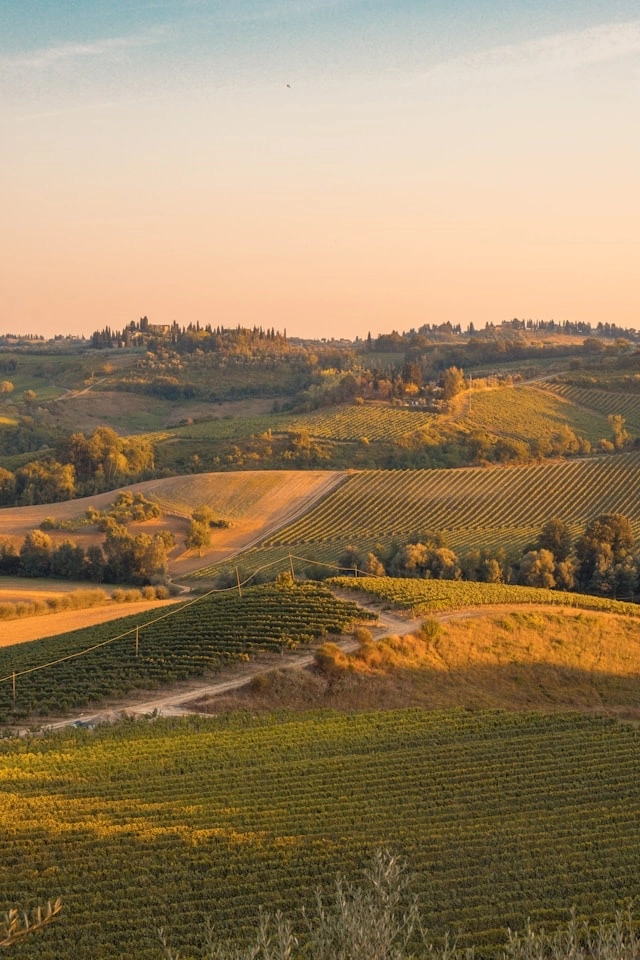

Tuscany’s unique natural, cultural, and historical heritage has long enthralled visitors. A visit to Etruscan Cave transports visitors into a fairy-tale landscape filled with paths carved into tuff and mysterious engravings; while Abbey of San Galgano provides roofless ruins complete with frescoed cloisters.
Tuscany is famous for its wheat and olive oil production as well as wine (including rare Trebbiano grape). Vegetables and fruit are also grown here.

Food
Tuscany may be most widely recognized for the art, architecture and culture found in Florence and Siena; but its food and wine are just as esteemed. Chianti and Brunello may be best-known names; however there is much more to discover across this region!
Peasant cuisine is an integral part of Tuscan heritage, and dishes like ribollita – a hearty bean soup – remain immensely popular today. Another dish rooted in this tradition is gnudi, an irresistibly tasty dumpling made with ricotta and spinach; usually enjoyed alongside some form of garnish like sage and butter or sometimes simply tomato sauce.
Tuscans are passionate meat eaters, and enjoy eating all manner of wild game such as hare and boar. Chianina cattle produce some of Italy’s finest beef; and Tuscan hills produce some of Italy’s best olive oil. Furthermore, Tyrrhenian sea boasts some outstanding fisheries that produce rarer species such as langoustines and monkfish catches – perfect dishes to accompany these delectable dishes!
Vegetarians in Tuscany are well catered for too – it would be hard to spend a day without seeing pasta e fagioli on the menu! Furthermore, vegetables feature in hearty soups such as acquacotta and ribollitta; while Tuscan mamas specialize in crafting artichokes into different dishes such as raw salads with raw artichokes; deep-frying; sauteing with garlic; braising etc.
Tuscany’s artisanal producers create exceptional cheese, while it has long been famed for its bread. A key element in Tuscan cuisine, Tuscan bread stands out as being unique compared to its leavened counterparts because it usually lacks salt. Tuscans often found it necessary to carry their bread with them throughout their days of laboring away from home, keeping a supply of bread readily available at hand for prolonged work trips. Tuscan cuisine is also the perfect complement to Tuscany’s delicious wines, from its iconic Chianti produced near Florence, through to blends from Bolgheri, Montepulciano and other DOC regions in southern Tuscany. Look out for Super Tuscan wines which combine Sangiovese grapes with non-native varieties such as Cabernet Sauvignon or Syrah and are highly prized.

Wine
Tuscany is one of the world’s most beloved wine regions, and with good reason: it offers stunning landscapes, delicious cuisine and an extensive winemaking tradition. Sangiovese grapes dominate, producing wines known for their medium body, lively acidity and high tannin content.
This grape has distinct features that set it apart from other grape varieties and make it perfectly suited for Tuscany’s climate and soil. A dark-colored variety, it boasts high acidity and tannin content – ideal for producing wines of elegance and balance.
Chianti Classico, Vino Nobile di Montepulciano and Brunello di Montalcino are some of the more prominent Italian wine appellations, all requiring that at least 80% of their wines contain Sangiovese grapes (locally known as Prugnolo Gentile); Brunello di Montalcino must contain 100% sangiovese varieties.
These wines tend to be light to medium bodied, and often boast an aromatic bouquet with fresh, bright cherry notes combined with earthy undertones and earthy tones, often including notes of sour cherries or red currants. When young and not long aged Tuscan reds have not been aged long enough, their wines often exhibit an acidity which leads to dry sensation on the tongue with flavors of berries and an herbaceous character (some say oregano or thyme) becoming predominant on their tastebuds. When aged for longer, their fuller fruit characteristics and balanced tannins become noticeable.
Tuscany produces white wines primarily of Trebbiano and Vermentino varieties, producing light to medium-bodied wines with crisply acidic qualities to pair well with light dishes of Tuscany. Recently there has been an emerging trend of Bordeaux-influenced Super Tuscans being produced using grape varieties such as Merlot, Cabernet Sauvignon and Cabernet Franc in addition to Sangiovese for making wine in Tuscany.
Tuscany boasts 11 Denominazione di Origine Controllata e Garantita (DOCGs) and 42 Denominazione di Origine Controllata (DOCs). Additionally, numerous table wines produced here do not fulfill these stringent standards but still display character and integrity.
Culture
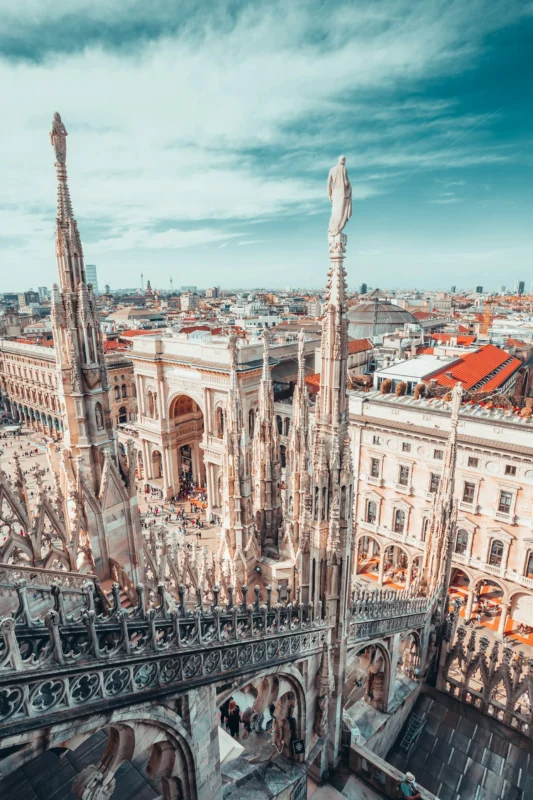
Tuscany, an Italian region known for its art and high culture, is world renowned. Famous statues like Michelangelo’s David draw visitors from around the globe while its beautiful architecture and preserved medieval towns draw people in from all walks of life. Tuscany’s rich cultural, artistic and historical legacy is evident through iconic landmarks that reflect this remarkable corner of Italy.
Tuscany has always been known for its wine. Settled initially by the Etruscans – who later named it after themselves – as Roman rule brought many changes to both culture and region; though Roman rule kept its name, new ways of doing things including foreign influences being imported via road networks were introduced by them.
Today, Tuscany boasts 41 DOC and 11 DOCG wines – such as Chianti, Vino Nobile di Montepulciano, Morellino di Scansano and Brunello di Montalcino – which make the region an attractive wine tasting and touring destination. Vineyards can also be found throughout Tuscany’s countryside making this region an excellent place to discover.
As in ancient times, Tuscany’s food remains simple yet delectable today, inspired by cucina povera – an ideology which emphasizes eating fresh food that’s both flavorful and waste-free – thus shaping its cuisine and contributing to its continued sophistication over time.
Tuscan cuisine features simple dishes, such as pappa al pomodoro and pici con ragu di cinghiale, that pack plenty of flavor. In keeping with this approach, second courses may include lamb and wild boar from grilling or roasting, along with handrolled pici as a local favorite, along with pasta such as pappardelle al sugo di cinghiale or crespelle from dough said to have inspired French crepes.
History
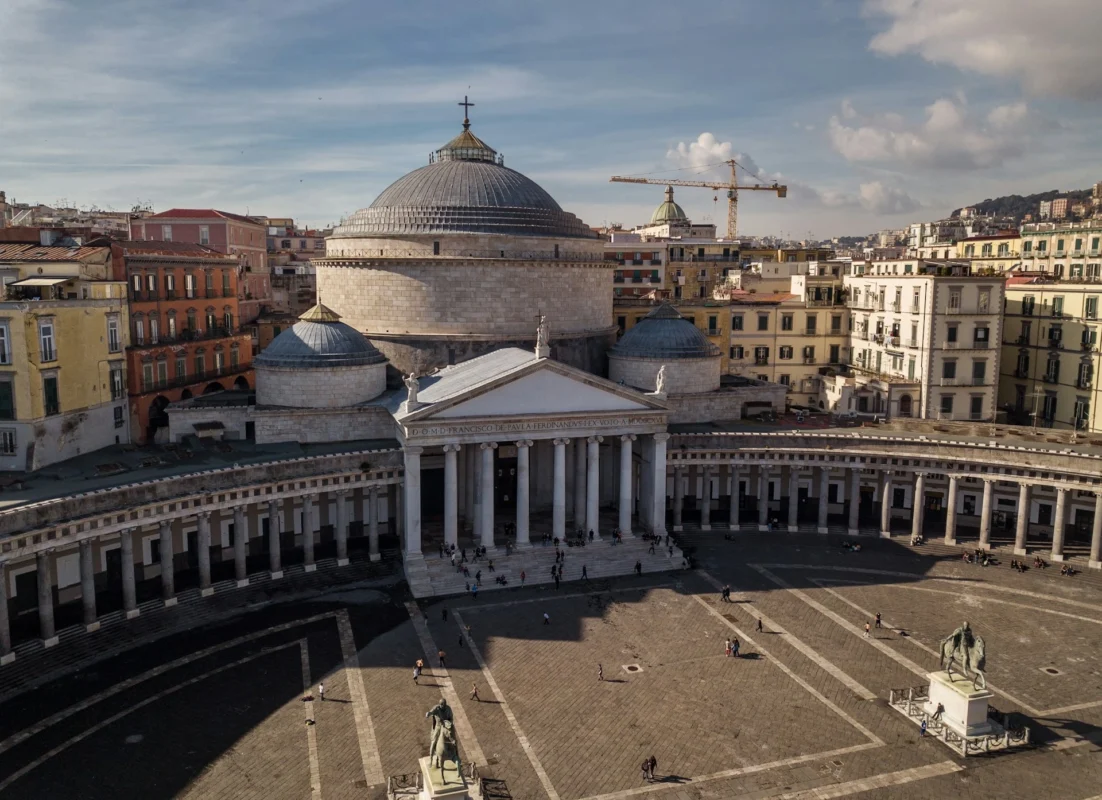
Tuscany is world-renowned for its art, history and dramatic landscape of cypress rows, olive trees, vineyards that stretch endlessly and walled medieval villages. Tuscany was at the epicenter of Renaissance art and culture – its magnificent monuments and museums drawing millions of visitors annually – not to mention Dante and Galileo themselves having roots here! Furthermore, 8 sites listed by UNESCO as World Heritage sites give further evidence.
Tuscany takes its name from its pre-Roman Etruscan inhabitants who populated this part of central Italy before Roman times. After being incorporated into Roman Republic rule and later Imperial rule it eventually came to be known as Tuscia and later Tuscania – today this region lies between Liguria to its northwest corner, Emilia-Romagna/Marche to its north, Umbria to its east, Lazio to its south and southeast and Liguria at its border.
Chianti and Vin Santo are some of the finest Italian wines produced, while it also plays a pivotal role in Italy’s cultural legacy. Chianti remains an alluring area to discover ancient ruins, admire Renaissance art, visit medieval cities and sip a glass of Chianti or Vin Santo. Additionally, Tuscany is an important wine-producing region producing such varietals as Cabernet Sauvignon, Sangiovese and more.
From its inception as an independent grand duchy, Tuscany was politically unstable. It went through various rulers in its early 1700s period before finally succumbing to Napoleon Bonaparte who instituted reforms such as abolishing internal trade barriers and cutting down ecclesiastical privileges.
By the late 1700s, however, Tuscany’s economic foundation had begun to crumble; wool industry investments had declined and investments in agriculture became less appealing. When Italy joined in unification movement during early 1860s, Tuscan people decided they would join with rest of Italy.
The resultant plebiscite was held from March 11-12, 1860 and was decisively in favor of joining the new state. Official proclamation took place in February 1861, marking the birth of the Blue Guide. Its “blue” refers to its cover color which distinguished itself from earlier red-covered Baedeker guides that had preceded it; Findlay Muirhead served as English editor of Baedeker (and later Murray’s Handbooks for Travelers). He later published this guide himself.