


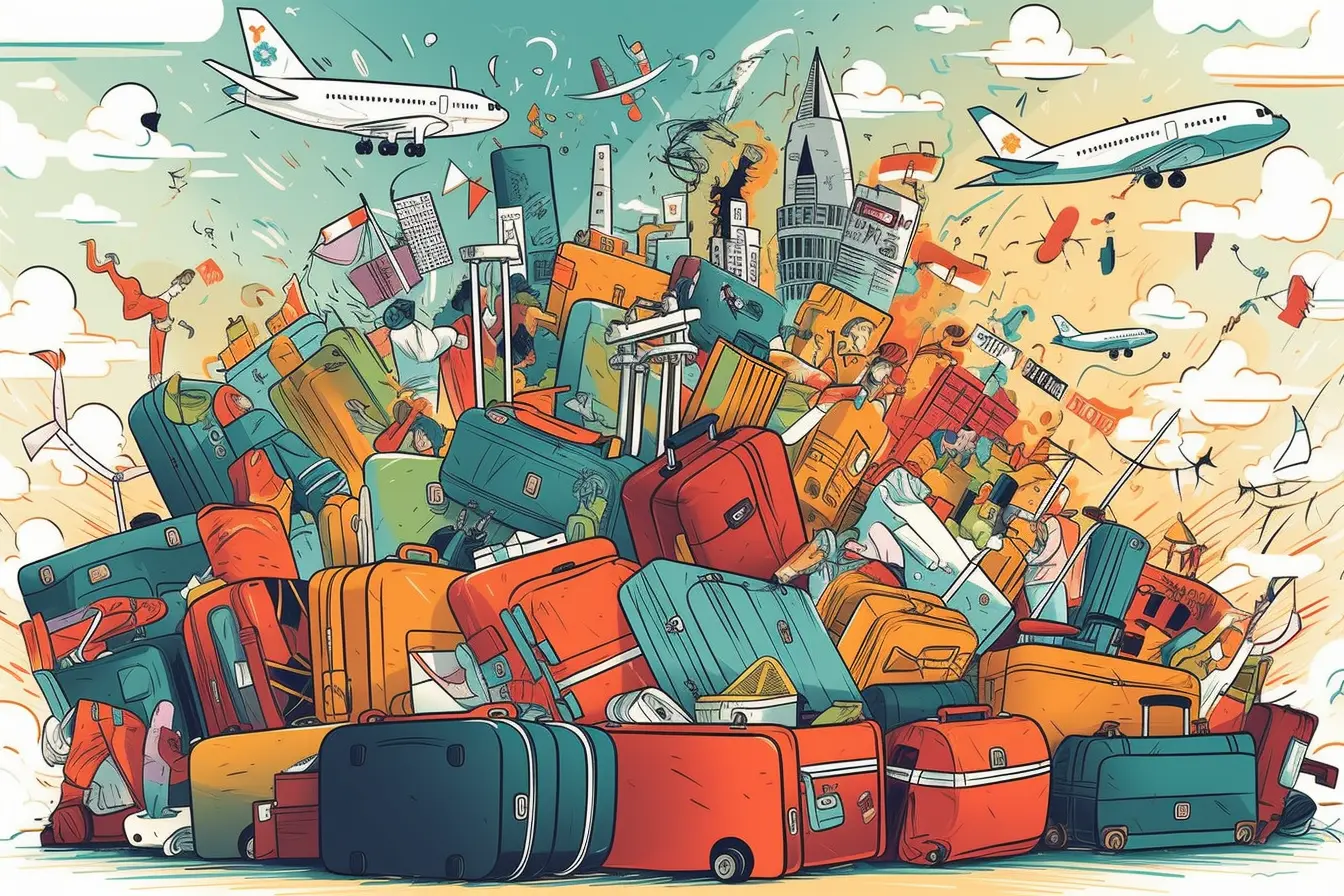

The biggest travel day of the year often varies by country and culture, but in the United States, the day before Thanksgiving is typically considered the busiest travel day. This is due to the large number of people traveling to spend the Thanksgiving holiday with family and friends. Airports and roads are usually very crowded, as people travel both domestically and internationally.
In other countries, the busiest travel days can be associated with major holidays or festival periods. For example, in China, the Lunar New Year period often sees a massive surge in travel, known as the Spring Festival travel rush, which is considered the largest annual human migration in the world.
In Europe, travel peaks can occur during the summer holiday months, especially in August, when many people take vacations.
It’s important to note that these trends can change from year to year based on various factors, including economic conditions.
Summary:
- US: Day before Thanksgiving
- China: Lunar New Year (Spring Festival travel rush)
- Europe: Summer holiday months, especially August
Note: Trends can change yearly due to various factors.
Traveling is an integral part of human experience, connecting us with new cultures, landscapes, and moments of invaluable personal growth. Among the many days in a year, there is one that stands out as the biggest travel day, a time when airports, train stations, and highways are bustling with activity. This day is not just about the sheer volume of travelers, but also about the emotions and expectations that come with it.
Understanding the Significance of the Day
The biggest travel day varies from country to country, influenced by cultural, social, and economic factors. In the United States, for instance, the day before Thanksgiving is often recognized as the busiest travel day of the year. This is a time when millions of Americans travel across the country to reunite with family and friends, making it a period of significant movement and activity.
The Impact of Seasonal Trends
Seasonal trends play a crucial role in determining travel patterns. During major holidays like Christmas, New Year’s Eve, and Thanksgiving, there is a notable surge in travel. Airports witness a massive influx of passengers, and airlines operate at full capacity to accommodate the spike in demand. This seasonal trend is not just limited to air travel; it extends to roads and railways as well.
Travel Statistics and Patterns
On the busiest travel day in the U.S., airports see an extraordinary number of passengers. According to the Transportation Security Administration (TSA), nearly 2.5 million passengers were screened at airport security checkpoints on the day before Thanksgiving in recent years. This figure represents a significant increase compared to regular days.
The Role of Technology in Travel
Advancements in technology have streamlined the travel process, making it more efficient and accessible. Online booking systems, mobile check-ins, and real-time travel updates have transformed how people plan and execute their travel plans. This technological evolution has also contributed to the increase in travel volume, as it has made it easier for more people to embark on journeys.
Coping with the Travel Rush
Airports and airlines prepare meticulously for the biggest travel day of the year. Extra staff is deployed, security measures are heightened, and customer service is ramped up to ensure a smooth experience for travelers. Similarly, traffic management systems are put to the test on highways and at major transport hubs.
Travel Tips for the Busiest Day
For those planning to travel on this day, it is crucial to be well-prepared. Booking tickets well in advance, arriving early at the airport, and staying updated on travel advisories can make the journey less stressful. It’s also advisable to pack light and keep essentials handy to navigate through busy terminals more efficiently.
The Economic Impact
The biggest travel day of the year also has a substantial economic impact. Airlines, hotels, and the hospitality industry, in general, see a significant boost in revenue. This period also benefits retail sectors, as travelers often engage in shopping, dining, and other recreational activities.
Looking to the Future
As travel continues to evolve, the dynamics of the biggest travel day are also changing. With the rise of remote work and digital nomadism, traditional patterns of holiday travel are shifting. The future might see a more distributed pattern of travel throughout the year, rather than concentrated spikes.
Conclusion
The biggest travel day of the year is a phenomenon that encapsulates the essence of human mobility and connection. It’s a day that brings challenges and opportunities, not just for travelers but for the entire travel industry. As we navigate through these busy travel times, it’s essential to remember the joy and purpose behind our journeys.
Sprzęt podróżny — polecane na Amazon
Jako uczestnik programu Amazon Associates, grandgo.com uzyskuje dochody z kwalifikujących się zakupów. Poniższe linki to linki afiliacyjne — kliknięcie w nie może dać nam małą prowizję bez dodatkowych kosztów dla Ciebie. Ceny i dostępność są widoczne na Amazon.co.uk.