


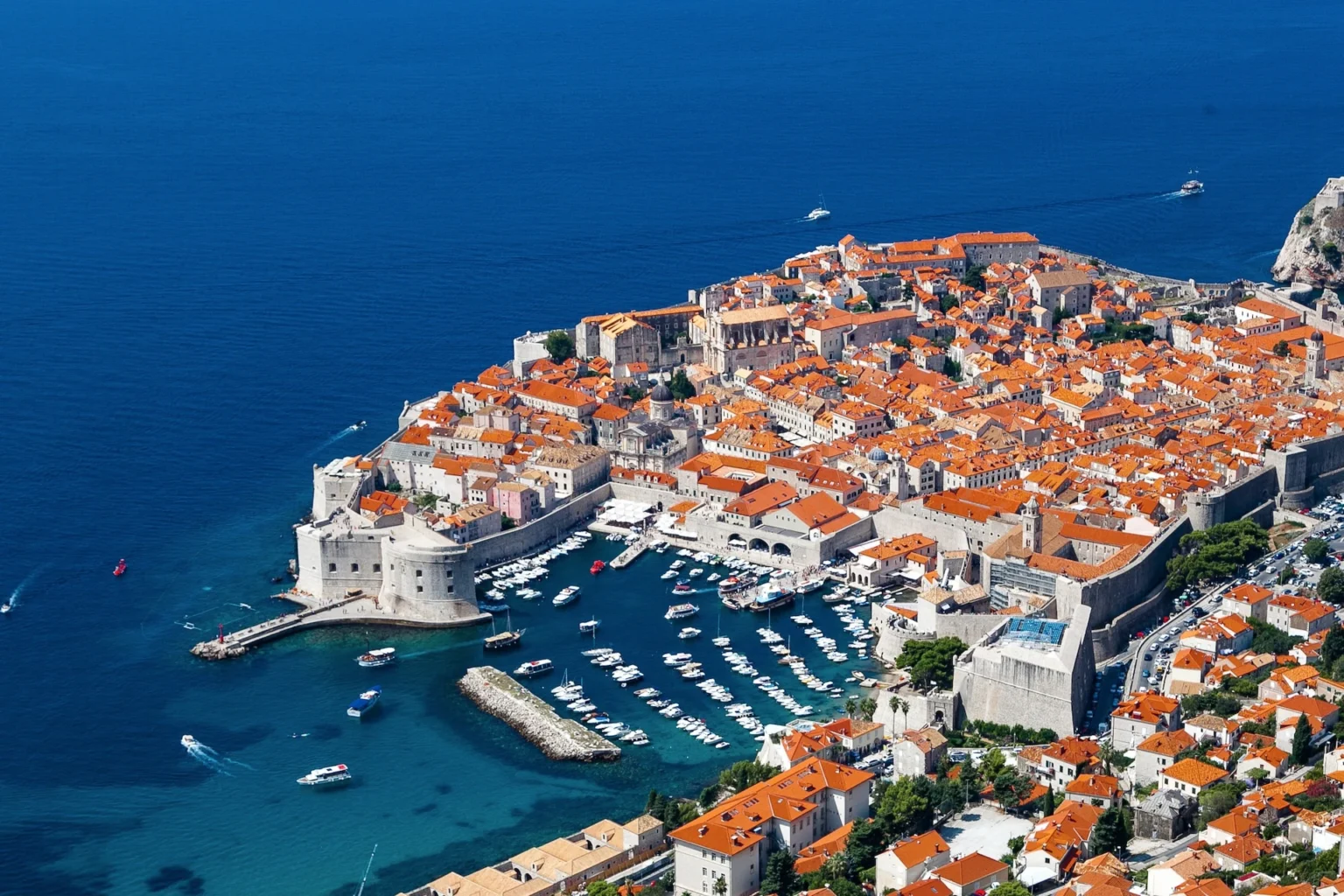

The Mediterranean Sea is a captivating body of water that has enthralled seafarers, scientists, and explorers for centuries. Its rich history, diverse marine life, and remarkable geographical features make it a subject of intrigue and wonder.
Among its many enigmatic aspects, one question frequently arises: just how deep is the Mediterranean Sea? In this article, we delve into the depths of this mesmerizing sea, uncovering its hidden secrets, unique characteristics, and the factors that contribute to its depth.
Measuring the Depth, How Deep is the Mediterranean Sea?
When it comes to measuring the depth of the Mediterranean Sea, the challenge lies in its complex topography. The sea features several basins and trenches, each with varying depths.
The deepest point in the Mediterranean Sea is known as the Calypso Deep, located in the Ionian Basin. It plunges to a staggering depth of approximately 16,800 feet (5,121 meters). To put this into perspective, the Mediterranean’s average depth is around 4,900 feet (1,500 meters).
Understanding the Mediterranean Basin
The Mediterranean Sea stretches across an expansive region, bordered by three continents: Europe to the north, Africa to the south, and Asia to the east.
This vast body of water is interconnected with the Atlantic Ocean through the narrow Strait of Gibraltar. Its diverse geography encompasses various deep basins, shallow shelves, and undersea features, contributing to its overall depth.
Factors Influencing Depth
Several geological and hydrological factors contribute to the Mediterranean Sea’s impressive depth. One of the key factors is the process of subduction, where the African tectonic plate is sliding beneath the Eurasian plate.
This movement forms deep trenches and basins, such as the aforementioned Calypso Deep. The collision of these plates not only shapes the sea’s depth but also contributes to the region’s seismic activity.
Salinity and Density
Salinity plays a crucial role in the Mediterranean Sea’s density, which, in turn, affects its depth. The Mediterranean has higher salinity levels compared to the adjacent Atlantic Ocean due to its limited connection to the open ocean. This elevated salinity increases the water’s density, causing it to sink into the deep basins and creating a distinct layering effect known as stratification.
Unique Ecosystems
The Mediterranean’s varying depths give rise to a diverse array of ecosystems that have adapted to different conditions. From the sunlit shallows to the pitch-black abyssal plains, each depth zone supports a unique community of marine life. The sea hosts species like the Mediterranean monk seal, various species of dolphins, and an assortment of fish that have evolved to thrive in specific depth ranges.
The Seas of the Mediterranean
The Mediterranean Sea is surrounded by three continents: Europe, Asia, and Africa. It’s subdivided into several smaller seas. Here’s a list of the main seas that are part of or connected to the Mediterranean Sea:
Adriatic Sea
Located between the eastern coast of Italy, one of the most picturesque countries in Europe, and the western coast of the Balkan Peninsula, which is known for its rich history and diverse culture.
Aegean Sea
Situated between Greece and Turkey.
Alboran Sea
Found between Spain and the northern coast of Morocco, near the Strait of Gibraltar.
Balearic Sea (Iberian Sea)
Located to the east of Spain and west of the Balearic Islands.
Ionian Sea
Ionian sea is positioned between the southern part of Italy and Greece.
Ligurian Sea
Found between the Corsica and Liguria coast in northern Italy.
Sea of Crete
A part of the Aegean Sea located to the south of the island of Crete.
Sea of Marmara
Located in Turkey, this sea connects the Sea of Aegean through the Dardanelles to the Black Sea via the Bosporus.
Levantine Sea
Situated to the east of the Mediterranean, stretching from Cyprus to the coasts of Syria, Lebanon, Israel, and the Gaza Strip.
Tyrrhenian Sea
Located to the west of Italy, separated from the Ligurian Sea by the island of Corsica and from the Ionian Sea by the island of Sicily.
Cilician Sea
A part of the northeastern Mediterranean Sea near the coasts of Turkey and Cyprus.
Thracian Sea
Located to the north of the Aegean Sea and south of the Greek mainland.
Libyan Sea
Located between the southern coast of Crete and Libya.
Each of these seas has its own unique characteristics and historical significance. They’ve played critical roles in trade, colonization, warfare, and cultural exchange throughout the centuries.
The Enigma of the Mediterranean Sea
Eurafrican Intersection: The Blend of Continents
The Mediterranean Sea, often simply referred to as the Mediterranean, is a unique body of water that stands as a testament to the rich tapestry of human civilization.
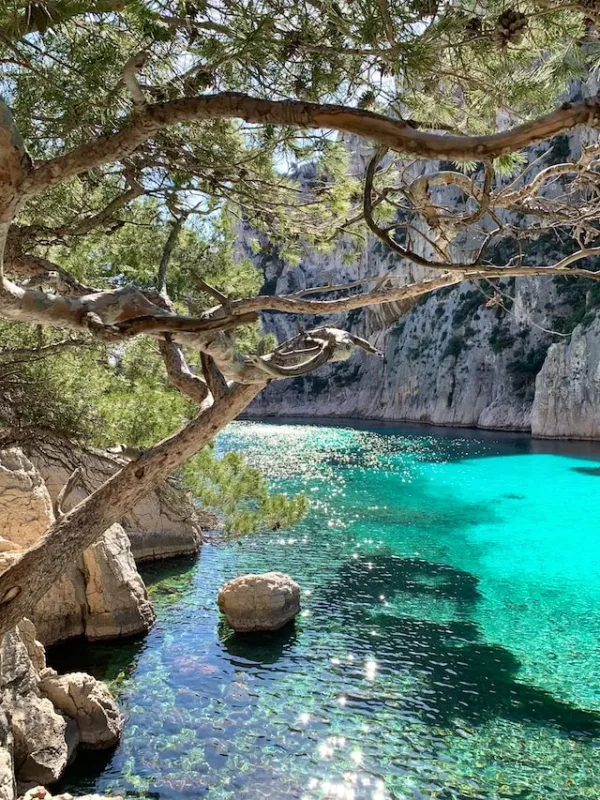
Bordered by three continents, the Mediterranean holds historical, cultural, and geographical significance in the annals of history. It can be divided into various sections based on geographical and cultural differences: the Eurafrican Mediterranean Sea, the Eastern Mediterranean, and the Western Mediterranean.
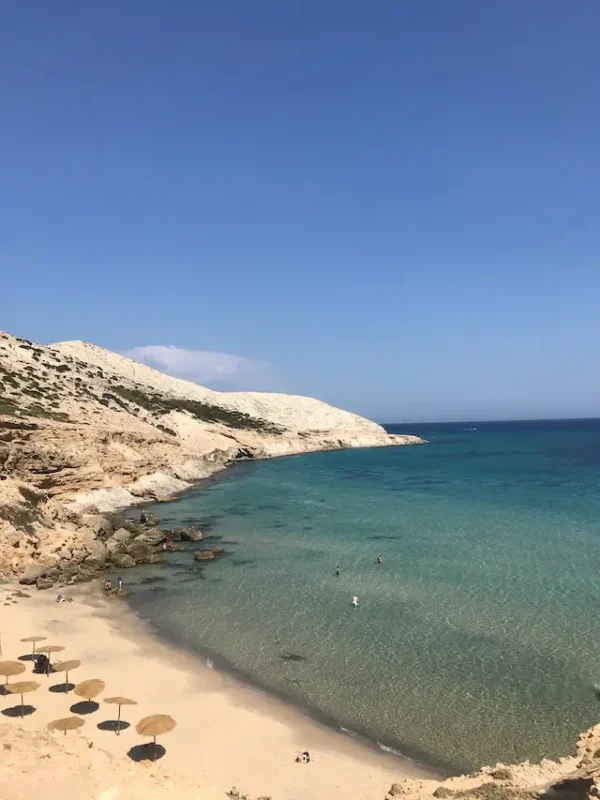
African Coast: A History of Exchange
The Eurafrican Mediterranean Sea is a term that encapsulates the expansive region where the waters of the Mediterranean meet both the European and African coasts.
This vast stretch is dotted with various Mediterranean countries, each boasting unique cultures and histories influenced by both continents. On the African coast, particularly on the southwestern coast, you find nations with a deep-rooted history of trade, exploration, and cultural exchange with their neighbors to the north in Southern Europe.
Echoes of Ancient Civilizations: The Eastern Mediterranean
The Eastern Mediterranean, sometimes referred to as the Eastern Mediterranean Sea, pertains to the easternmost portion of the Mediterranean. This region is known for its historic significance, with ancient civilizations like the Phoenicians, Greeks, and Egyptians shaping its past. Its proximity to the Red Sea has made it a crucial point for trade and navigation for millennia.
Western Waters: Europe’s Azure Embrace
Conversely, the Western Mediterranean, or the Western Mediterranean Sea, encompasses the west coast and the areas adjacent to Southern Europe. This includes the waters surrounding the west and east shores of the Mediterranean basin, with Spain, Italy, and France being some of the prominent European nations here.
The European Mediterranean Sea, particularly the part touching the South of Europe, is celebrated for its vibrant cultures, idyllic islands, and the allure of its azure waters.
A Basin of Civilizational Melting Pot
Throughout history, the whole Mediterranean inlet has acted as a crucible for various civilizations, empires, and cultures. The intermingling of traditions, languages, and customs along its shores is a testament to its enduring legacy as a nexus of human endeavor.
The Mediterranean Sea: A Mosaic of Marine Complexity
Geographical Reach and Connections
The Mediterranean Sea, a vast expanse of saltwater, forms a natural border between Europe, Asia, and Africa. This sea covers an area of about 2.5 million square kilometers, its azure waters both beckoning to travelers and nurturing a myriad of marine life within its depths. The Mediterranean Sea connects to various other significant bodies of water, creating interlinkages between different ecosystems and cultural landscapes.
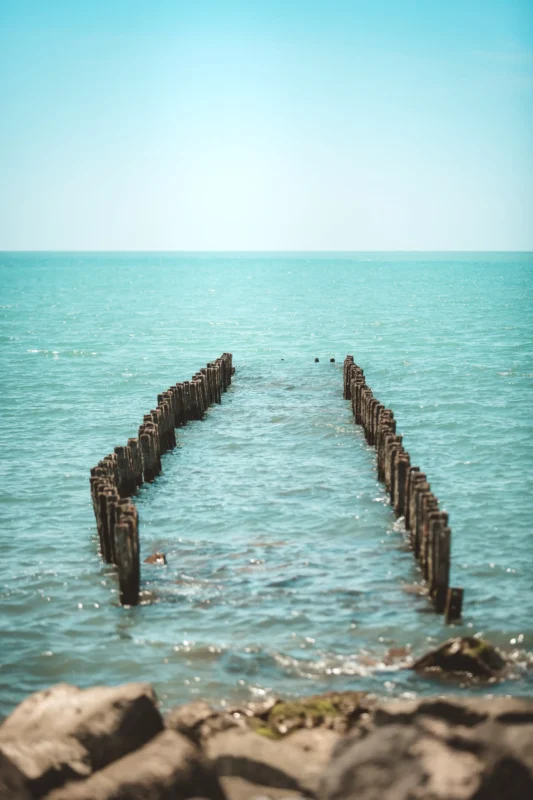
Linkage to the Black Sea
One of its notable connections is to the Black Sea, via the narrow Bosporus Strait. This linkage brings freshwater into the Mediterranean Sea, and with it, river runoff that contains essential nutrients which influence the sea’s overall ecology. Yet, despite these inputs, the nutrient poor Eastern Mediterranean remains a challenge for many marine species.
Unique Basins and Ecosystem Dynamics
This section of the sea, specifically the Eastern Mediterranean, is characterized by its deep, clear waters and a scarcity of nutrients compared to the western parts. The Levantine Basin, located within the Eastern basin, holds the distinction of containing the deepest recorded point in the Mediterranean Sea.
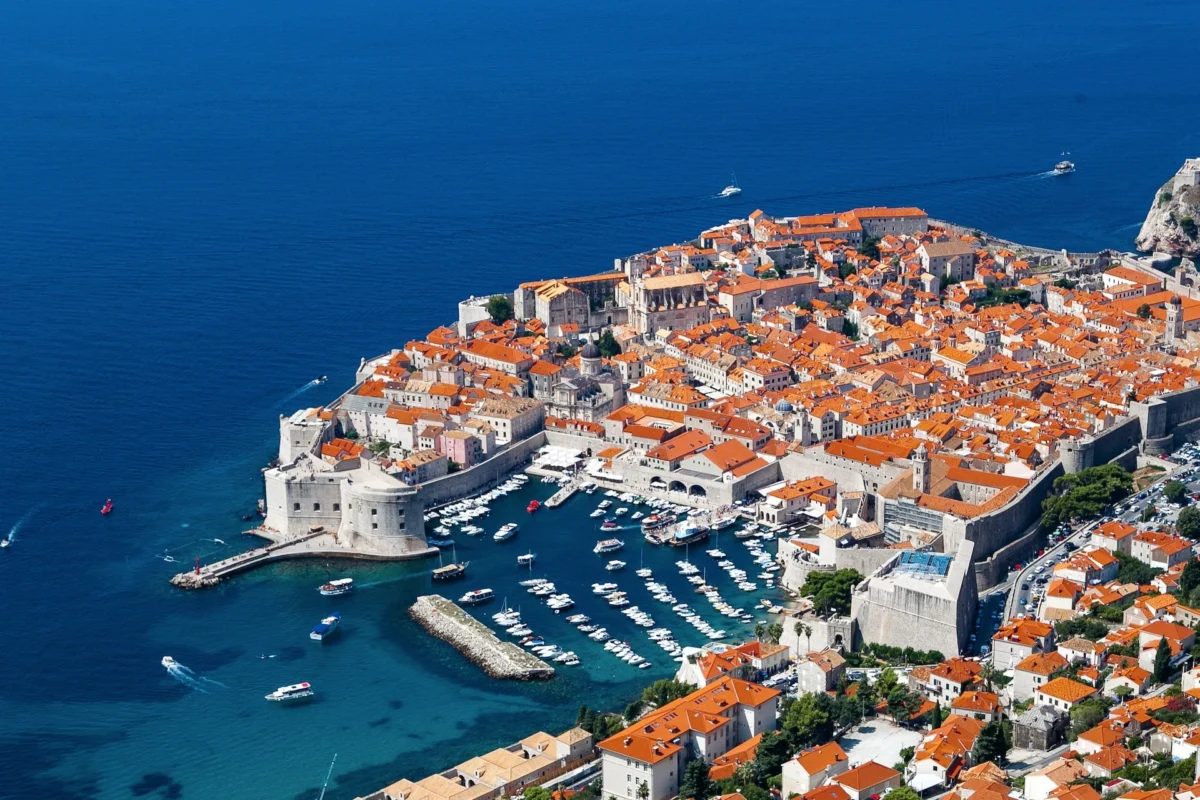
Conclusion: Unveiling the Depths
In conclusion, the Mediterranean Sea’s depth is a testament to the intricate interplay of geological, hydrological, and ecological factors. The Calypso Deep stands as a testament to the sea’s awe-inspiring profundity, reaching depths that challenge the limits of human exploration.
From its complex basins and trenches to its unique ecosystems, the Mediterranean Sea continues to be a captivating subject that invites further study and admiration. As we delve deeper into its mysteries, we uncover not only the secrets of the sea but also a deeper understanding of the planet’s intricate workings.
Suggested read: